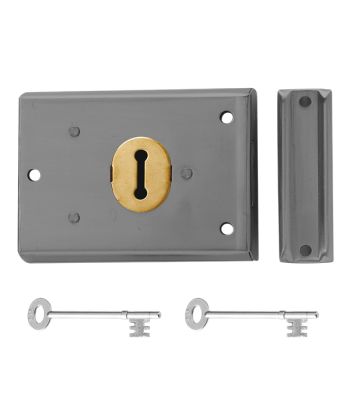
Rim Deadlocks
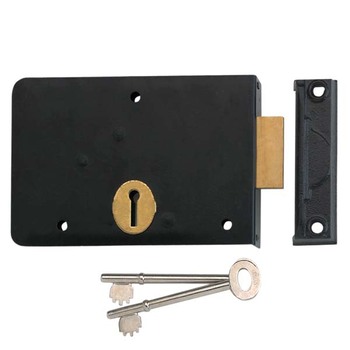
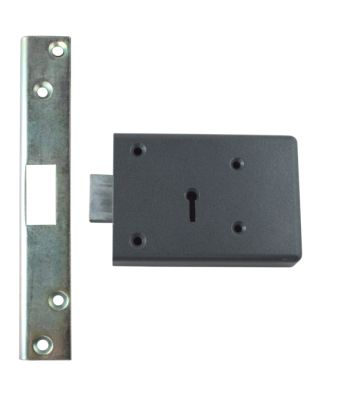
A rim deadlock does one thing: when it's locked, it stays locked. There's no latch action, no spring bolt — you turn the key and the bolt is fixed until you turn it again. For a lot of doors, that's exactly what's needed and nothing more complicated is called for.
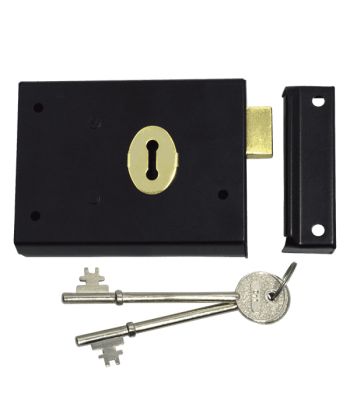
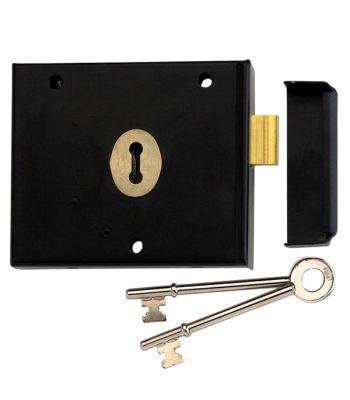
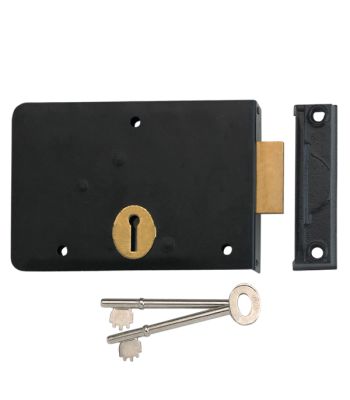
The application usually tells you which way to go. On traditional timber doors — Victorian and Edwardian front doors, cottage-style doors, internal doors in older properties — a rim deadlock is often the most sympathetic fit both practically and visually. The case mounts on the face of the door rather than cut into it, so there's no risk to period joinery, and the lever mechanism suits a door that's going to be locked and unlocked from both sides with a key. The Union 1116 and the Yale 402 are the standard go-to cases for this kind of job: simple, reliable, available in sizes and finishes that suit the application.
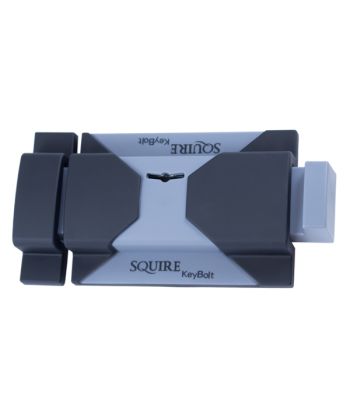
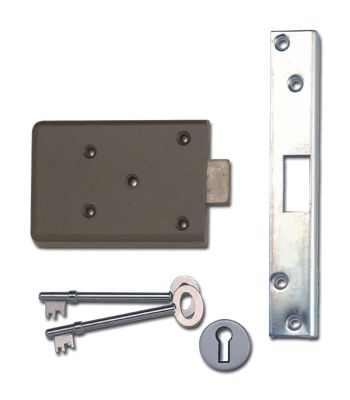
The lever count matters when someone asks whether a lock will satisfy their insurer. A basic 2-lever rim deadlock is fine for a shed, a gate, or a low-security internal door — but it won't meet the threshold most household insurers set for an external door. For that, you want a 3-lever minimum, and some policies will ask for more. The Union 1139 is a 3-lever rim deadlock that handles everyday residential use without overcomplicating the fitting; the Squire Keybolt is a 4-lever locking rim bolt that adds another step up in pick resistance, particularly useful on outbuildings where the contents justify it.
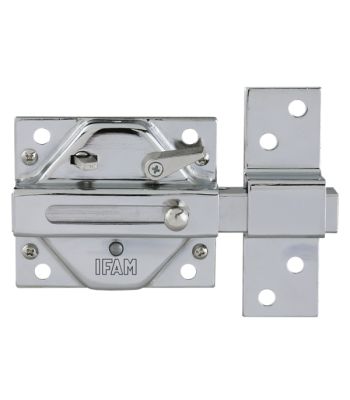
Tongue-and-groove doors on sheds and garages are a common use case here. These doors often can't take a mortice lock without the casing splitting, and a rim deadlock avoids that entirely. Same applies to garden gates — the IFAM CS88M is built specifically for gate use, with a robust case that handles the exposure and flex that gate furniture takes day to day.
For shared buildings and commercial premises, the Marston FB1 and FB2 fire brigade rim locks are specified where emergency services access is a requirement. These carry the FB marking that housing associations, local authorities and managing agents ask for on communal entrances — they're not a general-purpose lock and shouldn't be treated as one, but if the spec calls for them, this is where to find them.
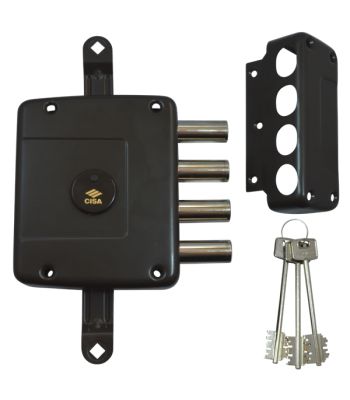
The CISA 57120 is a different animal again — a multi-point rim deadlock that shoots four bolts simultaneously into the frame. Where a single-bolt rim lock feels marginal on a door that sees a lot of use or sits in an exposed location, four-bolt engagement changes the equation considerably.
One thing to check before ordering any rim deadlock: handing. Some cases are reversible, others are fixed for left or right-hand opening. The product listings specify this — it's worth confirming before the lock arrives on a job.