Rim Locks and Nightlatches

Rim Locks and Nightlatches
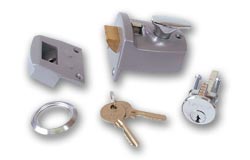
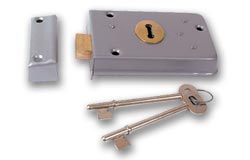
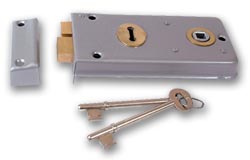
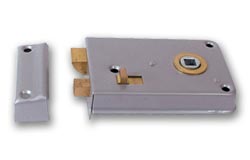
Most front doors in the UK are secured by a rim lock of one kind or another. It's the lock that goes on the back of the door rather than inside it — no chiselling, no specialist tooling, just a cylinder through the door and a case screwed to the face. That simplicity is why they've been the default for residential properties for decades, and it's why so many replacement and upgrade jobs start here.

The question most people arrive with isn't "what is a nightlatch?" — it's "will this satisfy my insurer?" or "the old Yale has packed in, what's the direct replacement?" Those are different problems and they have different answers.

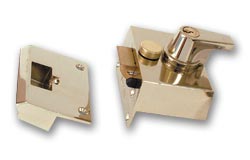
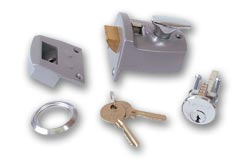
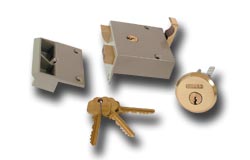
If your insurer or tenancy agreement calls for a British Standard rim lock, you're looking at the BS3621-certified nightlatches from the likes of Union and ERA — locks that incorporate auto deadlocking so the bolt can't simply be pushed back without a key. That feature matters more than most people realise: a standard nightlatch is latched, not deadlocked, and a determined intruder with a credit card or a piece of celluloid can open it in seconds. An auto deadlocking nightlatch for external timber doors closes that gap.

For social housing, local authority contracts, and managed blocks, the picture is slightly different. Fire brigade rim locks — FB-marked, designed for shared-access buildings — have a specific role where emergency services need assured entry. These aren't general-purpose products; they're specified for a reason and we stock them accordingly.

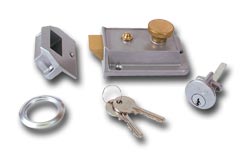
At the other end of the range, there's a legitimate place for budget rim locks and standard cylinder nightlatches. Secondary doors, internal applications, sheds and outbuildings — not every door needs a BS-certified lock and it's not worth paying for one if it doesn't. The Union and Yale entry-level cases take standard euro or oval cylinders and do the job without complication.

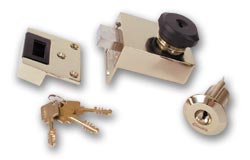
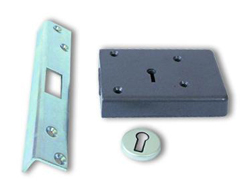
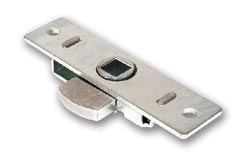
The cylinder deadbolt and rollerbolt options here are worth understanding separately from nightlatches. A deadbolt shoots a fixed square bolt; a rollerbolt compresses on closing and springs back out, deadlocking in position. Both give you a second point of lock-up on a door that may already have a latch — useful when you want positive deadlocking without going to a mortice. The Ingersoll SC73 and Union 1148 have been specified on this kind of job for years.

Brands across this category include Yale, Union, Ingersoll, ERA, Banham, CISA, Asec, ABUS and Legge, along with nightlatch accessories such as replacement cylinders, staples, and keep plates for when the lock itself is fine but one component has failed.