ABUS Combination Padlocks
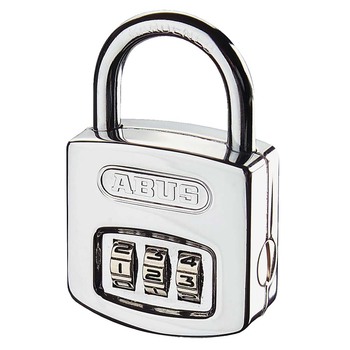
ABUS Combination Padlocks
No key to lose. That's the starting point for most people looking at combination padlocks, and it's a genuinely practical reason — whether you're securing a storage unit, a gate that gets used by multiple people, or a locker where a lost key means a cut shackle and a bill you didn't plan for.
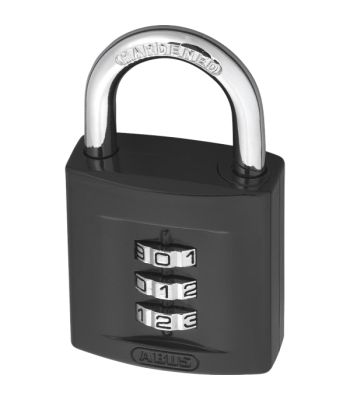
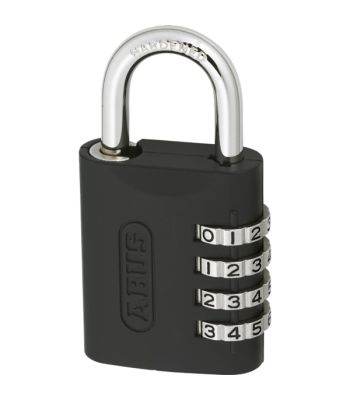
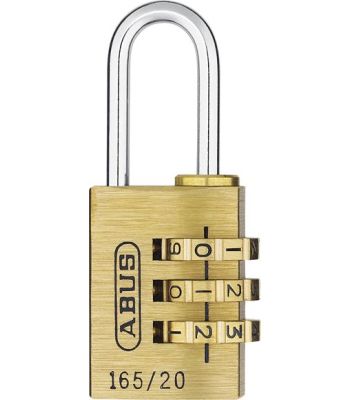
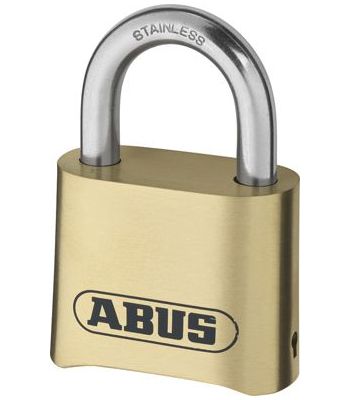
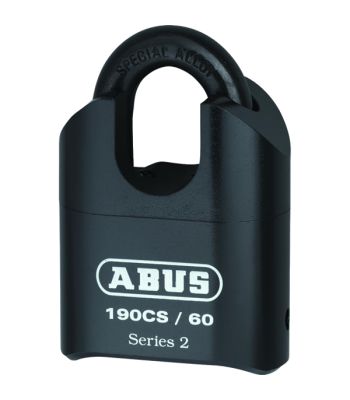
ABUS has been making padlocks long enough that their combination range isn't built around the concept. It's built around use cases — and that distinction shows up in the hardware. The 165 series uses solid brass bodies designed for indoor environments where you want durability without the weight penalty of a full steel lock. The 180 series steps up with a stainless steel shackle for situations where corrosion is a real concern — an outdoor hasp, a garden building, anywhere that sees rain and humidity across the year. The 190 is the heavy-duty option when you need a combination padlock that's not going to give way easily; the shackle and body construction here are in a different class from the budget end of the market.
If weather resistance is the priority — a gate at the back of a yard, a fuel store, outdoor equipment — the 183AL/45 is worth looking at specifically. It's built for outdoor use in a way that most combination padlocks simply aren't.
The 158KC is a less obvious choice but solves a real problem: combination with key override. If you manage access for others but occasionally need guaranteed entry yourself, having that master key option keeps you in control without changing the code or cutting the lock. It's the kind of product facilities managers and landlords reach for once they've been caught out without one.
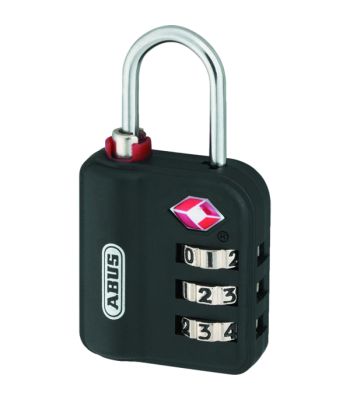
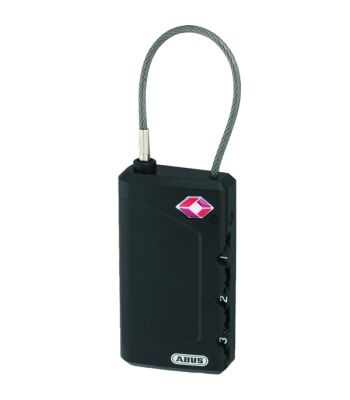
On the travel side, both the 147TSA and 148TSA cable lock are TSA-approved — meaning airport security in the US can open and re-lock them without destroying them. The cable variant gives you the flexibility to loop through awkward bag handles or zip pulls where a rigid shackle won't reach.
ABUS combination padlocks sit at the quality end of the market — not the cheapest option, but consistently made to a standard where the code mechanism doesn't drift, the shackle release stays crisp, and the body doesn't corrode at the first sign of damp. If you've had a cheap combination padlock jam, forget its own code, or simply fail to open when you need it to, that distinction is worth paying for.