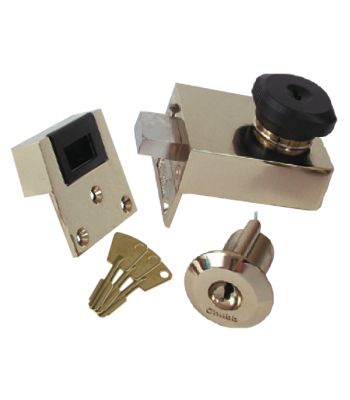
Cylinder Deadbolts and Rollerbolts
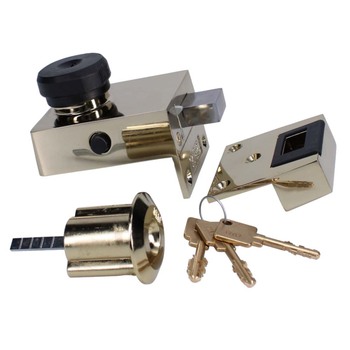
A nightlatch keeps a door shut. A cylinder deadbolt keeps it locked — and that's a distinction that matters when you're trying to satisfy an insurer, a landlord's spec, or just your own peace of mind about a vulnerable front door.
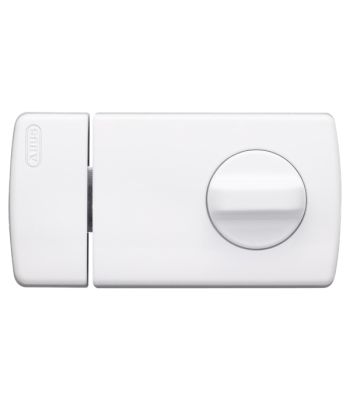
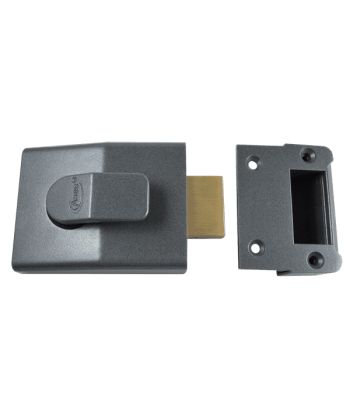
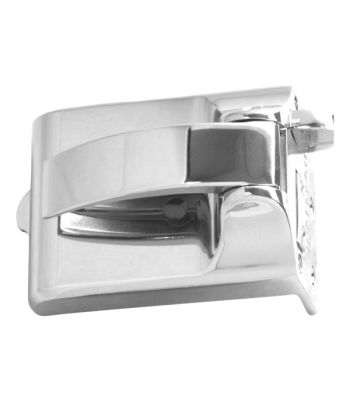
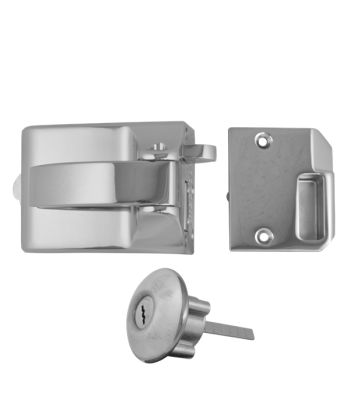
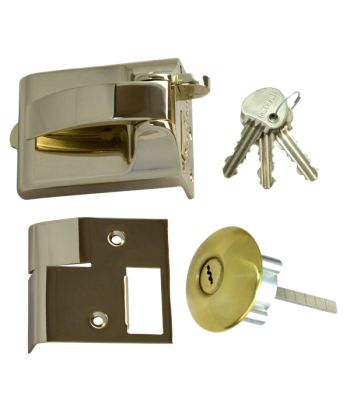
Both lock types mount on the inside face of the door rather than cutting into it, which makes them considerably more forgiving to fit than a mortice lock. The cylinder deadbolt shoots a fixed bolt with a key turn from outside; on the inside, most models can be operated without a key, which matters in a fire escape scenario. Rollerbolts work slightly differently — the bolt compresses as the door closes and springs back out automatically, then deadlocks in position when you need it to. Useful anywhere a two-stage lock-up is too slow or awkward.
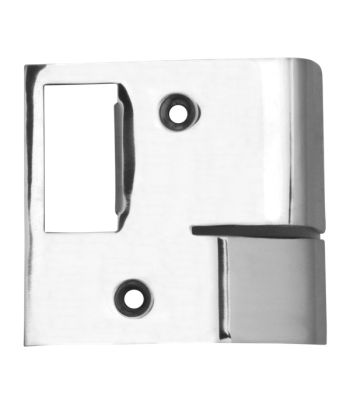
For jobs where the insurance certificate matters, look at the Banham L2000 or the Union-Chubb 4L67E — both carry BS3621:2007 certification, which is the standard most household insurers and local authority housing teams ask for on external timber doors. The Ingersoll SC73 and its matching RA71 staples are a long-established combination for properties that need a robust cylinder rim deadbolt on doors opening either in or out.
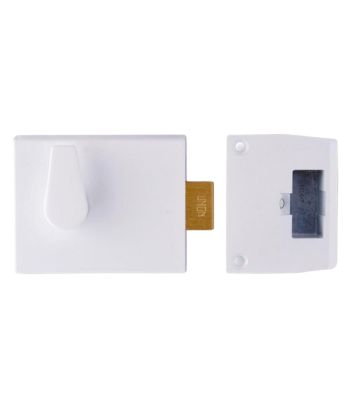
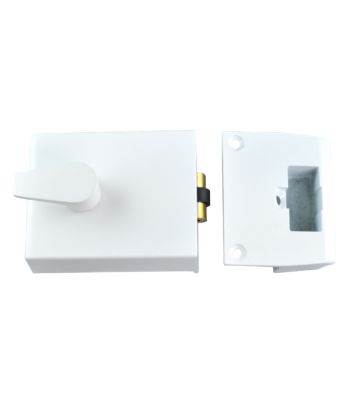
At the more straightforward end, the Union 1148 and Yale 82 are solid, widely-stocked replacement cylinder deadbolts that fit existing caseboxes without drama — the kind of stock any locksmith or maintenance contractor wants on the van.