Lever Padlocks
Lever Padlocks
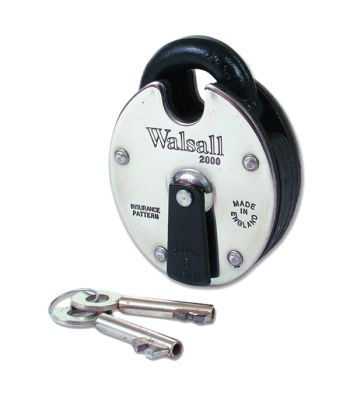
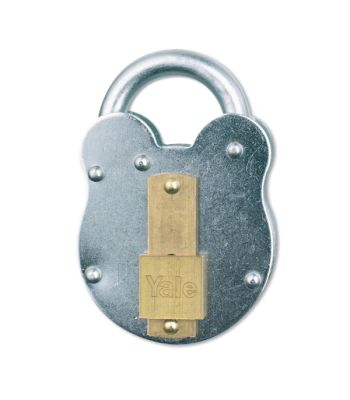
The mechanism is straightforward: levers sit inside the body, and the key lifts each one to a precise height before the bolt can move. More levers means more combinations, and a harder job for anyone trying to manipulate their way in. A 4-lever padlock is adequate for low-risk applications — a garden shed, a domestic gate, somewhere you want a lock rather than just the impression of one. Step up to a 5-lever or 6-lever and you're into territory that most insurers will accept for outbuildings, storage units, and securing external access points where a claim might hinge on what was fitted.
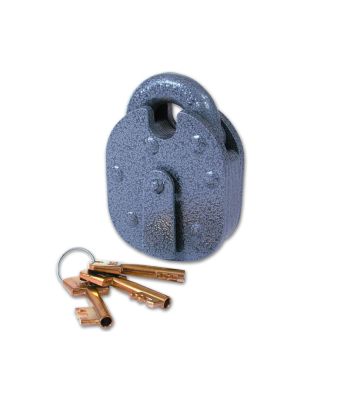
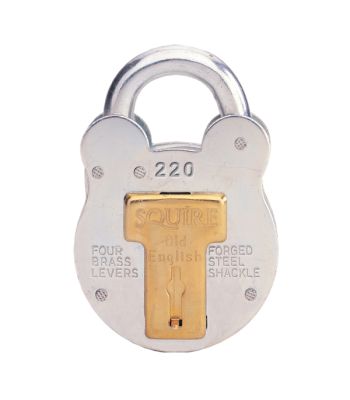
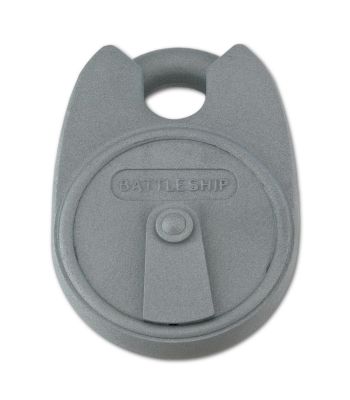
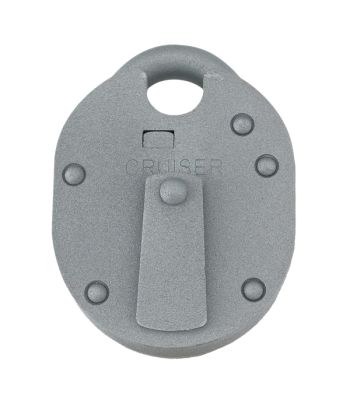
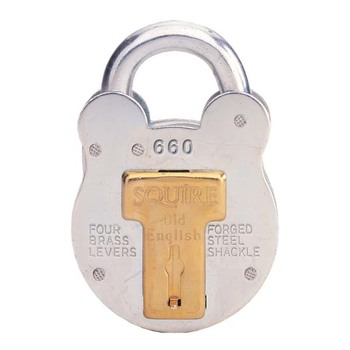
The range here covers both ends of that spectrum. At the everyday end, the ERA 975 5 lever, the Asec SG5, and ERA Big Six 6 lever are trusted workhorses — solid enough for trade use, priced sensibly for anyone fitting multiple locks across a site. The Squire Old English 4 lever is a name that's been on builders' vans and locksmith call-outs for decades. At the top of the range, the Union-Chubb Battleship 6 lever padlock and the Cruiser 5 lever are specified for commercial and industrial use — the kind of lock you fit when you genuinely cannot afford a breach.
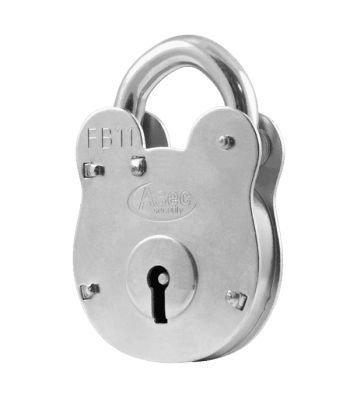
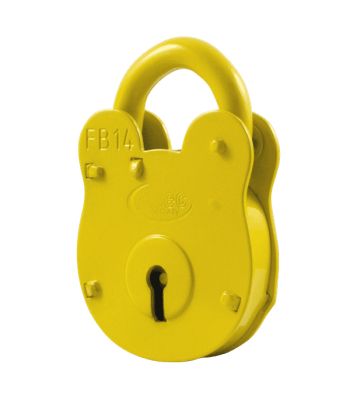
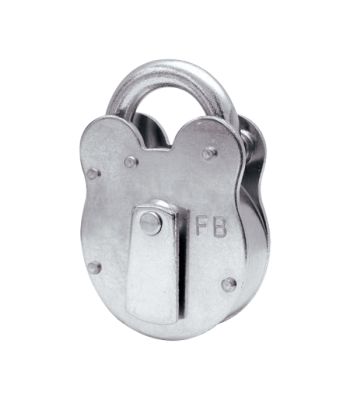
The Fire Brigade padlocks — the FB1, FB11 and FB14 in Old English format — deserve a specific mention. These use FB keys, which gives fire crews immediate access in an emergency without having to force entry. They're the standard choice for utility rooms, communal areas, and any access point where the fire service might need to get in fast.
Morgan's ACL100 uses a Radar Key that allows Radar Key holders access to door secured
Old English format is worth understanding if you're new to it: the body has a distinctive oval shape rather than a standard square, and it's designed to work with corresponding hasps and staples that are tougher to attack than a standard padlock loop. If you're fitting a new padlock to an existing hasp, check the format first — a round-shackle padlock won't sit right on an Old English hasp.
Lever padlocks are mechanical, keyable, and don't need batteries or signal. For external doors, outbuildings, and anywhere reliability matters more than convenience, that still counts for a lot.