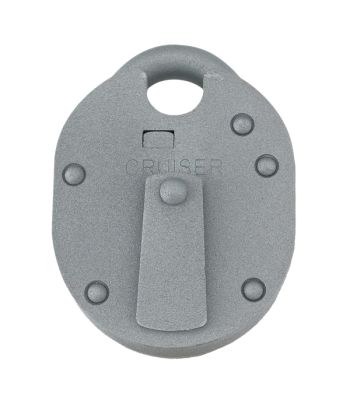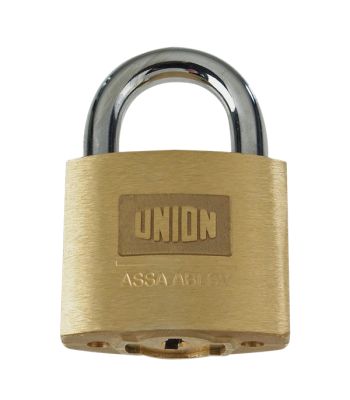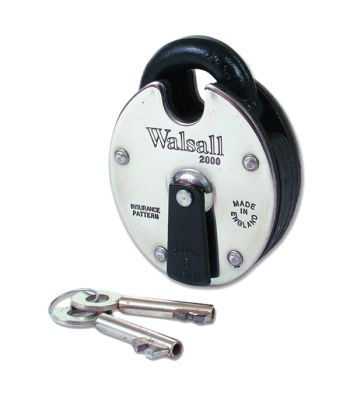
High Security Padlocks
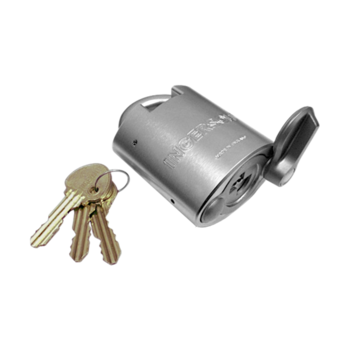
High Security Padlocks
Most padlocks get bought once and never thought about again — until something goes wrong. A gate that gets forced, a storage unit that gets cut open, or an insurer who won't pay out because the padlock on the door wasn't up to their standard. That's when people start asking the right questions.
High security padlocks are built differently. A closed shackle cuts off the angle grinder and hacksaw before they even get started — there's simply no exposed steel to attack. Hardened shackle steel deals with bolt cutters. And inside the lock body, mechanisms like 6-lever cylinders, 10-disc detainers, and 10-lever cylinder cores are doing the job that a standard padlock cannot: resisting picking, bumping, and drilling without giving much ground.
The range here covers the brands that locksmiths and security installers actually specify — Ingersoll, Chubb Union, ERA, Squire, Asec. Names that appear on approved products lists and meet the kind of loss prevention standards insurers look for when they ask what's securing your premises or outbuildings. If you're securing a yard, container, or gate that sits away from the main building, a high security combination padlock or a closed-shackle model rated to BS EN 12320 Grade 6 is worth knowing about before you fit something lighter and regret it.
Shackle length matters too. Long-shackle versions work where there's more clearance to thread through — chain, hasp, fencing rail — while sliding shackle container padlocks are designed specifically to sit flush against a container door, removing the exposed loop entirely. Match the padlock to how it's being used, not just to the security rating on the box.
If you're also sourcing the hasp and staple or padbar, it's worth buying at the same security grade — a high security padlock on a lightweight hasp is still a weak point. Get both right and you've done the job properly.