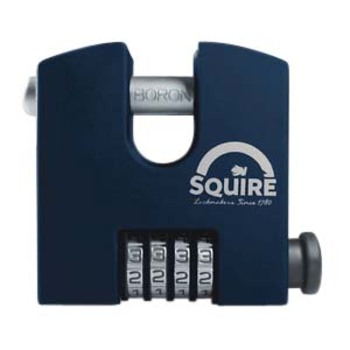
Combination Padlocks
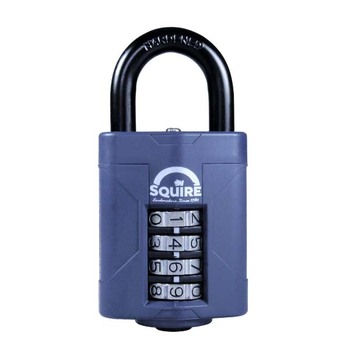
Combination Padlocks
Keys create administration. Every time access changes hands — a new employee, a contractor finishing a job, a tenant moving out — there's a question about whether the key was returned, copied, or is still floating around somewhere. A combination padlock sidesteps that entirely. Change the code and the problem disappears, without replacing hardware, without calling a locksmith, without wondering whether there's a copy you don't know about.
That's the practical case for combination padlocks in shared-access and managed situations, and it's why they appear so regularly on site compound gates, communal storage areas, school lockers, and anywhere that key control would otherwise become a job in itself. For a single homeowner securing a shed, the appeal is simpler: one fewer key on the ring, and no lockout if it gets lost.
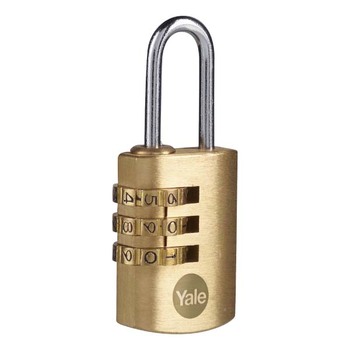
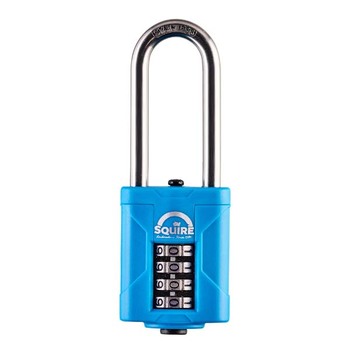
What separates a good combination padlock from a poor one is the number of dials and the quality of the mechanism behind them. A 3-dial combination offers 1,000 possible codes; a 4-dial model offers 10,000. That difference matters if the padlock is on anything worth protecting, because a determined attempt to cycle through combinations on a 3-dial lock is not as far-fetched as it sounds. For higher-risk applications, a 4-wheel combination padlock with a hardened shackle — the Squire CP60 recodable high security model, for instance — is a different class of product to a lightweight brass locker lock, and should be specified as such.
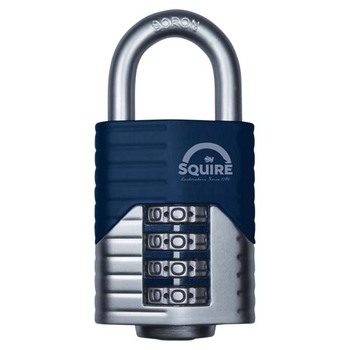
Squire's combination range is the benchmark here for outdoor and commercial use. Their weatherproof combination padlocks are built to function reliably through British winters, where moisture ingress and mechanism corrosion are the failure modes that cheaper alternatives succumb to. The recodable feature on the CP60 is genuinely useful: the code can be reset without tools, which makes it practical for facilities where access needs to change regularly without the cost of hardware replacement each time.
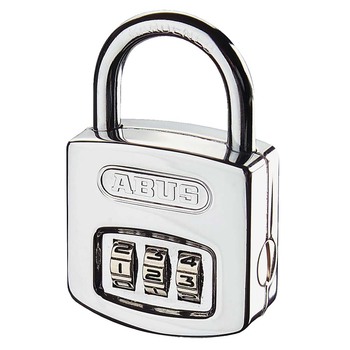
ABUS combination padlocks occupy the mid-range with solid build quality, and Master Lock covers the volume end of the market — lockers, luggage, low-risk storage — where cost per unit matters and the security requirement is deterrence rather than resistance. The TSA-approved combination models in this category are listed separately but are worth knowing about for anyone securing checked luggage on US-routed travel.
Body size relative to the hasp or fitting is the detail that catches people out most often with combination padlocks. A lock that's too small for the staple loop won't seat properly; one that's too large for a locker hasp is equally useless. Check the shackle diameter and clearance before ordering, not after.