Chain
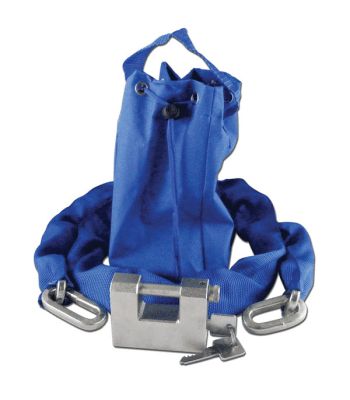
Padlock Chain
A padlock without a chain is only useful if whatever you're securing is already fixed to something solid. For everything else — bikes, motorbikes, lawn equipment, generators, trailers, fuel tanks — the chain is what actually does the securing work. The padlock locks it. The chain determines whether it holds.
That's a distinction worth taking seriously before buying, because chain quality varies enormously and the difference isn't always obvious by looking at it. A lightweight chain will part under bolt cutters in seconds. Hardened steel chain — genuinely through-hardened, not surface-treated — resists cutting attack because the hardening runs through the full cross-section of the link. When a bolt cutter jaw meets a properly hardened link, it tends to skate off rather than bite through. That's the property that matters, and it's why chain spec should match or exceed the padlock it's used with.
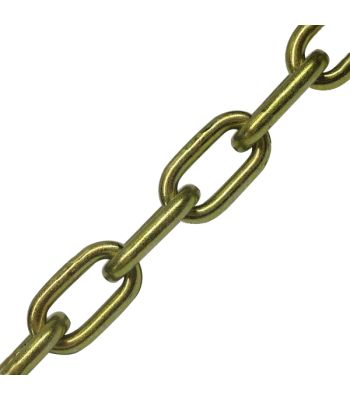
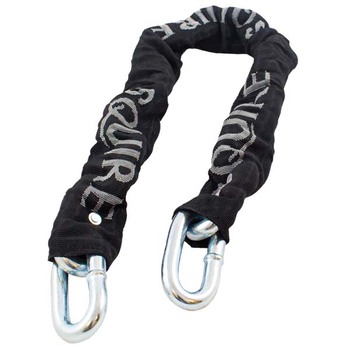
The Squire Stronghold hardened alloy steel chain carries Sold Secure accreditation, which is the benchmark worth looking for if the chain is going on anything of real value. Sold Secure testing is independent and meaningful — it's the same standard that cycle and motorbike insurers often reference when they ask what security was in place. The Asec through-hardened chain in gold finish is a similar proposition: genuinely hardened throughout, available in multiple lengths, and built to be paired with a closed-shackle or straight-shackle padlock rather than a standard open-shackle model.
For lighter-duty applications — securing garden equipment, deterring opportunist theft from outbuildings, tethering equipment on a site where the risk is low — the Squire Stronglock and Toughlok chains offer hardened steel construction at a price point that makes sense for the application. They're honest products for honest threat levels, and knowing that distinction saves money in the right places without cutting corners where it matters.
The ABUS KS square link security chain is worth noting for anyone who needs to thread the chain through tight spaces or awkward fixing points — the square link profile stacks more compactly and is harder to grip with cutting tools than round links, which adds a layer of resistance that the link geometry alone contributes before the material even comes into play.
Chain length is the other variable that catches people out. Too short and it won't reach a ground anchor or fixed point without pulling taut; too long and the excess pools on the ground, giving a thief something to brace against when cutting. As a rule, the tighter you can keep the chain between the secured item and its anchor point, the harder it is to work on with tools.