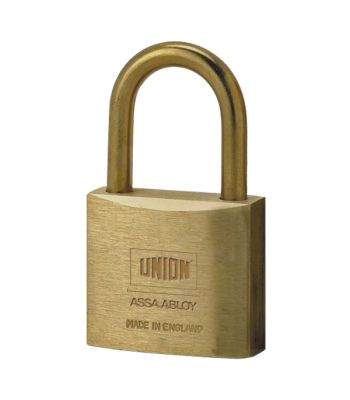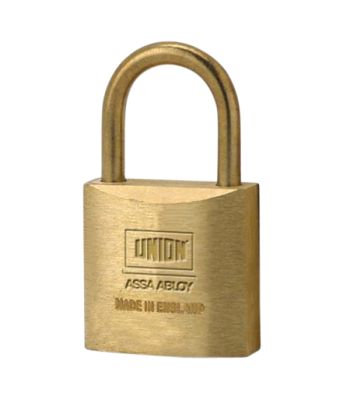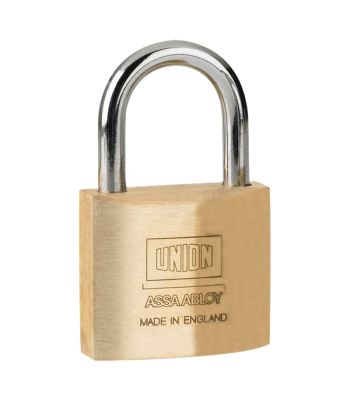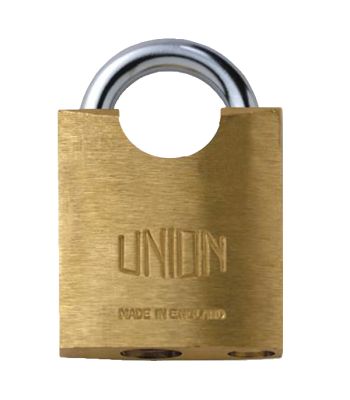
Brass Body Padlocks
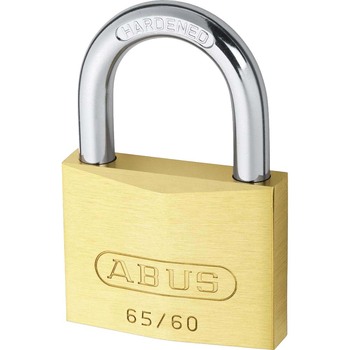
Brass Padlocks
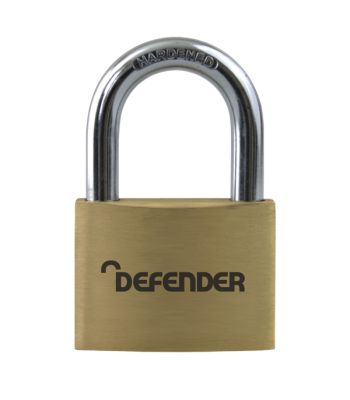
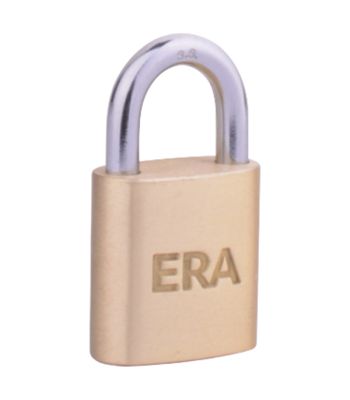
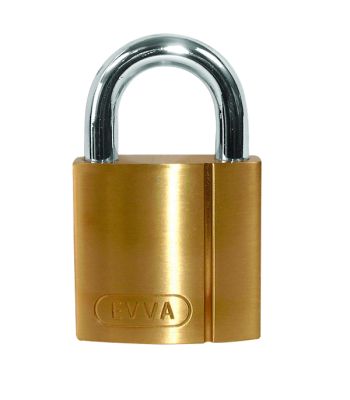
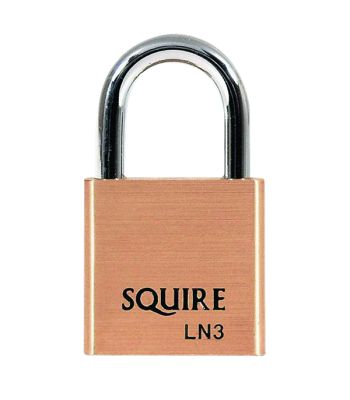
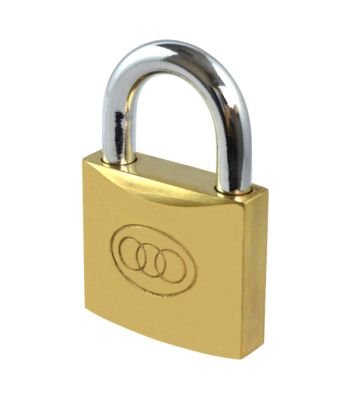
Brass has been the default padlock material for well over a century, and there's a practical reason it's stayed that way. It doesn't rust. In damp outbuildings, on garden gates, on locker doors in changing rooms, in coastal locations where steel corrodes quickly — brass holds up without the surface treatment that steel padlocks depend on. When the application doesn't demand hardened steel body protection, brass is often the more sensible material choice, not just the cheaper one.
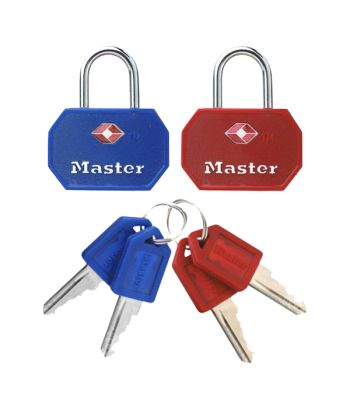
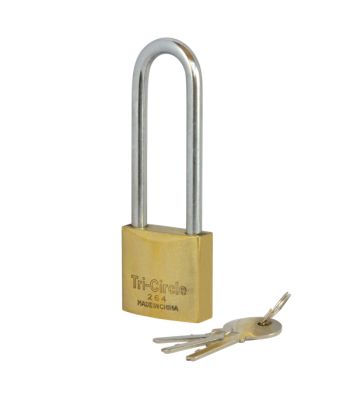
The range here runs from lightweight 20mm locks suited to luggage, cabinets, and internal lockers through to 70mm brass padlocks that are a serious proposition on a shed or gate hasp. Size matters more than people expect: a small padlock on a large hasp loop looks and functions poorly, while oversizing on a locker or cash box is unnecessary. Match the body width to the application and you'll get better engagement on the shackle and a cleaner, more secure fit overall.
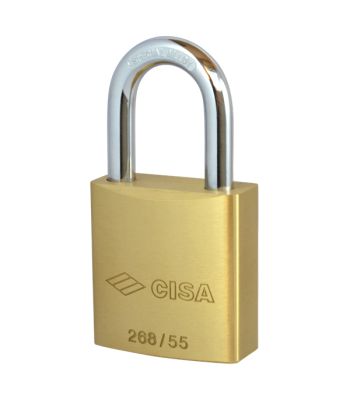
Pin count is where the security steps up within the brass category. A 3-pin lock is adequate for low-risk internal applications where deterrence is the point rather than resistance. A 5-pin or 6-pin brass padlock — the CISA 22010 in 6-pin, or the ABUS 65 series at 5-pin — offers meaningfully better pick resistance and is the appropriate choice for anything on an external door, outbuilding, or location where the padlock might face a more determined attempt. The Baton disc detainer model is the outlier here: disc detainer mechanisms are substantially harder to pick than conventional pin cylinders, and it sits in this category by body material while outperforming it on security.
For coastal or permanently outdoor installations, the ABUS 70IB marine grade brass padlock with weather cover is the one to specify. The neoprene cover keeps the keyway clean and blocks moisture from reaching the mechanism — which on a salt-air site is the difference between a lock that works reliably and one that needs replacing every season.