Cabinet Locks and Cupboard Locks
Cabinet Locks & Cupboard Locks
There's a particular kind of frustration that comes with a cupboard lock that's given up — a medicine cabinet that a child can now open freely, a utility cupboard in a rented property where the previous tenant still has a key, a storage unit in a workshop or office that's never been properly secured. None of these are headline security problems, but they're all worth fixing properly rather than ignoring.
This section is primarily lever-operated cupboard and cabinet locks in brass and black finishes, covering straight-bolt, standard, hook-bolt, sliding door, and box lock configurations. The product lines here are traditional furniture lock formats that have been standard for wooden cabinetry for a long time — the Asec range covers the most common variations, and the lever counts tell you the security level at a glance.
On that point: a 1-lever cupboard lock is deterrent-level security. It keeps honest people out and signals that the cupboard is meant to be closed, but it won't give you serious resistance against anyone determined. For anything holding tools, chemicals, medication, or valuables — a lockable storage cabinet in a workshop, a chemical cupboard in a school or care setting, a box containing petty cash or documents — a 4-lever cabinet lock is the appropriate choice. The Asec 15, 61, and 48 are the 4-lever options in the range, available in standard and box lock configurations.
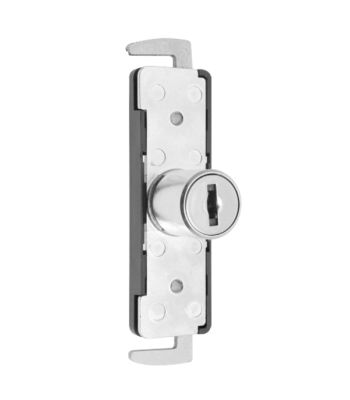
The straight cupboard lock format (Asec 100 series) fits flush to the door face and throws a straight bolt horizontally into the frame. It's the most common type for standard hinged cupboard doors. The Asec 80 is the sliding door variant — it works differently, throwing a bolt that engages against a fixed keep as the sliding panel moves across rather than closing on a hinge.
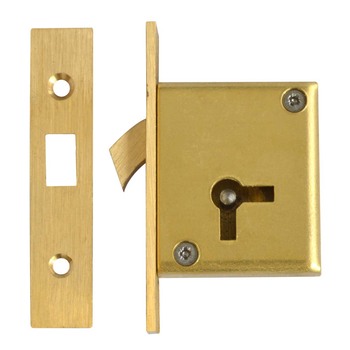
Hook bolt cupboard locks (the Asec 85 mortice cupboard hook lock) suit applications where a straight bolt can't engage cleanly — typically where the door has some flex or where the keep alignment isn't precise enough for a straight bolt to catch reliably. The hooked bolt self-guides into the keep and pulls the door in as it engages, which is why they're often used on lighter cabinet doors that don't sit perfectly square.
For replacement jobs, matching the backset and bolt type of the existing lock will save unnecessary work. Most standard cupboard doors in older wooden furniture take a straight-bolt lock with a 57mm or 63mm case measurement — pull the old lock first and check before ordering.
Finishes run to brass and black across the range. Brass suits traditional wooden furniture; the black finish options in the Asec 150 and 155 are the better call for painted or dark-stained cabinetry where a brass face plate would look wrong.